Nippon Times
The Nippon Times is the foremost Japanese-language newspaper in the Pacific States of America, its headquarters occupying the Nippon Times Building in San Francisco. It functions as the primary news organ for the Japanese occupiers and the local population, disseminating official information and shaping public perception. The paper's significance extends beyond journalism: its building houses the offices of the ranking Trade Mission, making it a nexus of political power and intrigue. The Nippon Times is frequently cited by characters as a source of news, and its reporting on the death of Reichs Chancellor Martin Bormann and the subsequent power struggle in Germany underscores its role in keeping the Pacific informed of global events.
Role as a News Source
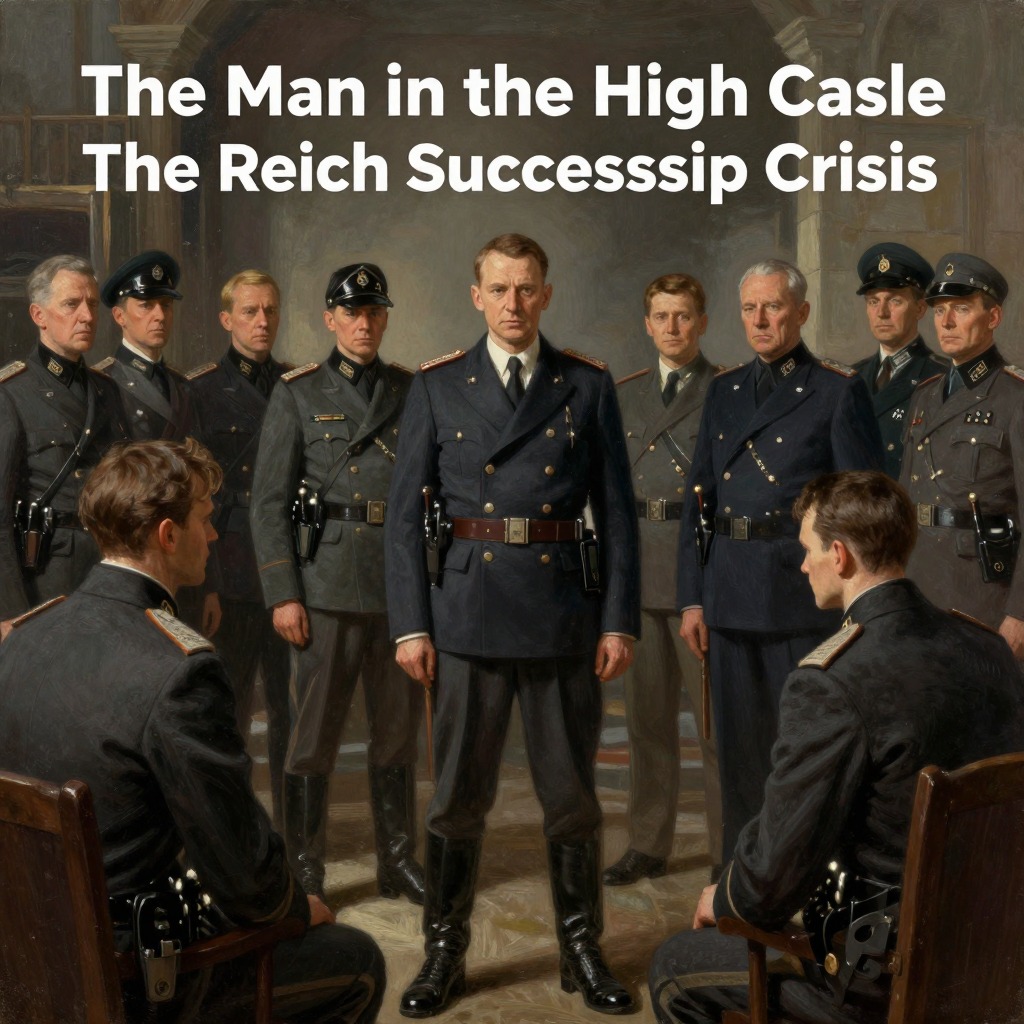
The Nippon Times is the go-to publication for characters seeking reliable information about world affairs. When the Reichs Chancellor dies, the paper reports on the ensuing political maneuvering, including the house arrest of Baldur von Schirach and the eventual appointment of Dr. Goebbels as the new Chancellor. The newspaper's coverage is detailed and timely, as seen when Mr. Baynes reads the midday edition with the headline "DR. GOEBBELS NAMED REICHS CHANCELLOR" and the accompanying analysis of the leadership crisis. The paper also serves as a conduit for official announcements, such as the State Funeral in Munich, which Paul Kasoura mentions hearing about on the radio, but which the Nippon Times also covers. For the Japanese elite, the Nippon Times is an indispensable tool for staying abreast of political developments that could affect the balance of power between the Reich and the Pacific.
The Nippon Times Building as a Political Hub
The Nippon Times Building is not merely a newspaper office; it is the headquarters of the ranking Trade Mission, where Nobusuke Tagomi conducts his official business. The building's twentieth floor houses Tagomi's suite, from which he oversees trade negotiations and consults the I Ching. The building is also the site of significant political meetings, including the crucial encounter between Rudolf Wegener (posing as Mr. Baynes) and General Tedeki, where the existence of Operation Dandelion is revealed. The building's strategic importance makes it a target for the SD, who attempt to seize it in a raid. The Nippon Times Building thus symbolizes the intertwining of media, commerce, and state power in the Pacific States.
The SD Raid and Its Aftermath
The Nippon Times Building becomes the scene of a violent confrontation when SD agents attempt to capture Wegener. The raid is thwarted by Tagomi, who, armed with a Colt .44 revolver from his personal collection, shoots and kills two of the intruders. The incident leaves Tagomi deeply shaken, both by the act of killing and by the realization that the SD would brazenly violate Japanese sovereignty. The aftermath of the raid sees Tagomi suffering a heart attack, precipitated by the stress of the encounter and his subsequent confrontation with the German consul, Hugo Reiss. The Nippon Times Building, once a symbol of order and authority, is forever marked by the bloodshed, and Tagomi's ability to return to his office is compromised by the memory of the event.
Cultural and Social Significance
The Nippon Times also reflects the cultural dynamics of the Pacific States. It is a Japanese-language newspaper, but it serves a society where Japanese and Americans interact in complex ways. The paper's reporting on American artifacts and culture, such as the story of the fake admiral, reveals the Japanese fascination with Americana and the tensions inherent in the occupation. The Nippon Times Building itself, with its modern architecture and surrounding gardens, stands as a testament to Japanese aesthetic sensibilities imposed on the American landscape. For characters like Robert Childan, the Nippon Times Building is a place of both business and humiliation, where he must navigate the rigid social hierarchy of the occupation. The newspaper, therefore, is not just a source of news but a cultural artifact that embodies the power dynamics of the world in which it operates.